


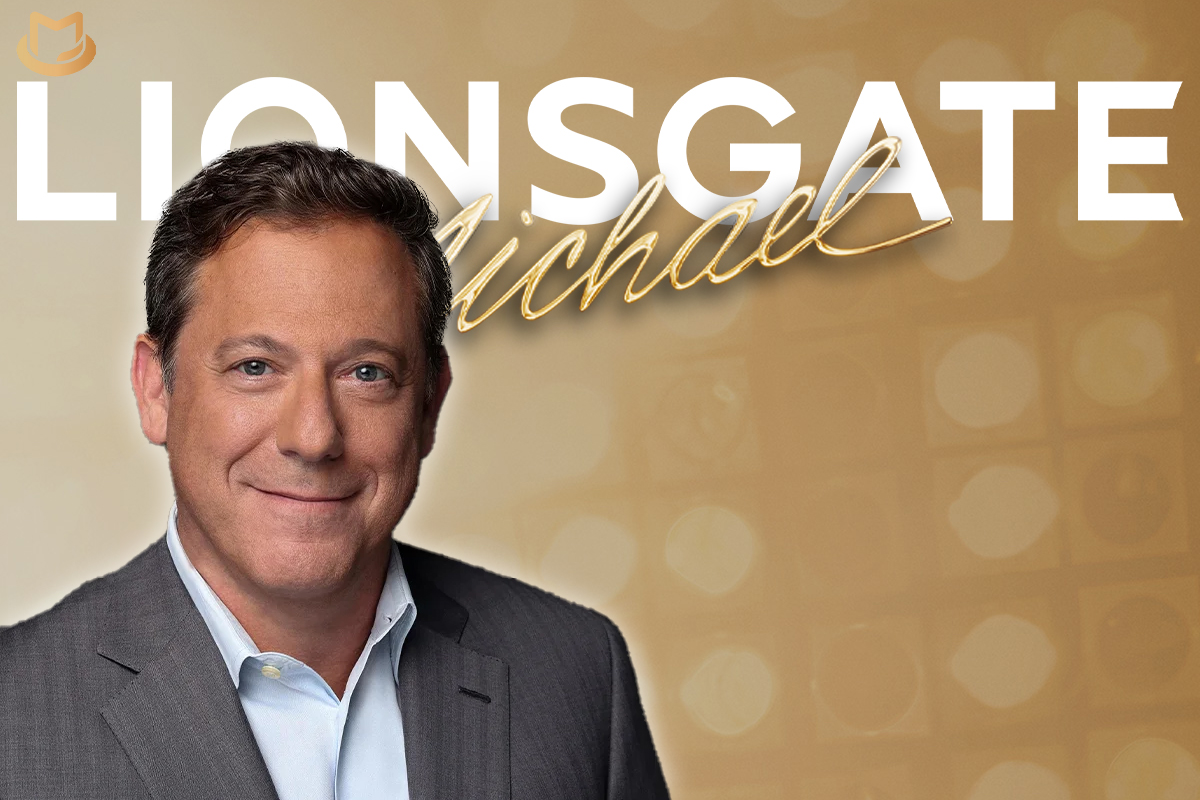
A recent interview with Adam Fogelson, Chair of Lionsgate Motion Picture Group, has shed fresh light on the upcoming Michael biopic and the growing possibility that the story of Michael Jackson on screen may not end with a single film.
Speaking to The Hollywood Reporter, Fogelson addressed both the structure of the upcoming movie and the ongoing discussion around whether it will ultimately expand into a two-part cinematic project.
A Story Too Big for One Film?
One of the most significant takeaways from the interview is confirmation that the first Michael film intentionally does not cover the full scope of Michael Jackson’s life. Instead, it focuses on a specific portion of his journey, with clear narrative limits designed to avoid an overly long or compressed storyline.
Fogelson explained that there is already internal planning for a potential follow-up film, stating that the creative team has been preparing for the possibility of continuing the story if the timing and conditions are right.
Importantly, he emphasized that there is “room for another film” due to the vast amount of material and music still left unexplored in Michael Jackson’s career. This suggests that the first installment is designed more as “Part One” of a broader narrative framework, even if a sequel has not yet been formally locked in.
Creative Decisions & Reshoots
The interview also touched on the behind-the-scenes changes that impacted the film’s structure, including legal complications and subsequent reshoots that altered the original third act.
Rather than treating this as a setback, Fogelson framed it as an opportunity to refine the storytelling. Working closely with director Antoine Fuqua and producer Graham King, the team chose to focus more deeply on the rise of Michael Jackson’s career, ensuring the first film remains focused and “artistically satisfying.”
This restructuring also opened the door for the possibility of continuing the story in a second installment, rather than forcing everything into a single, potentially overextended film.
Addressing Controversy & Artistic Intent
Fogelson also addressed the broader conversation surrounding the portrayal of such a globally influential and “controversial” figure. He defended the creative team’s intent, highlighting the credibility and experience of both Fuqua and King in handling complex biographical material.
He reinforced the idea that Michael Jackson’s cultural impact is undeniable, stating that the goal of the film is not to settle public debate, but to offer insight into the life and artistry of one of the most influential performers in history.
According to Fogelson, the film invites audiences to form their own interpretations, rather than presenting a definitive judgment on Michael Jackson’s legacy.
What This Means Going Forward
Taken together, the interview strongly suggests that Michael is being positioned with long-term storytelling potential in mind. While a second film has not officially been confirmed, the groundwork appears to already be in place, depending on the reception of the first installment.
For fans, this means the upcoming release could mark just the beginning of a much larger cinematic exploration of Michael Jackson’s life and career.
Full Interview Extract (The Hollywood Reporter)
Michael is your next big release. There’s lots of anticipation and speculation around it. What can you share about the plan in terms of reports of a two-film release strategy?
This first movie stops well short of telling the full story of Michael Jackson. There is a lot of amazing music in this catalog that this part of the story doesn’t get to. So we have said that there is room for another film, and I can tell you that the filmmaking team has been hard at work being ready for a second film, and when the right moment comes, we would be excited to announce that that is definitively happening. … I’m encouraged that there is more story to tell and that we have a really good shot at being in a position to deliver.
Michael’s original third act depicted someone who alleged sexual abuse against Jackson when he was 13 and later reached an agreement to not be depicted in any dramatization involving Jackson. This led to a legal challenge against the film. You pushed the release date and rejiggered the film in reshoots — how did you decide to move forward?
We sat with [director] Antoine Fuqua and [producer] Graham King and talked about both the challenges and the opportunities that were created when the situation arose. The opportunity was to take more of our time with a very meaningful and full part of the story of [Jackson’s] life and not be worrying about a movie that was going to really be struggling with a hyper-epic length. Let’s use the opportunity to tell this part of the story of the rise of the King of Pop in a way that is the most artistically satisfying. Then we will determine if, when and how to tell more of the story.
But Jackson obviously is a controversial figure here. Is that something you’re talking about when you’re discussing the shape of the film — addressing that?
The credibility that Antoine and Graham bring to a project like this shouldn’t be undervalued. These are not water-carrying people. I don’t believe either of them would join a project that they didn’t believe was a valuable and authentic representation of whatever it is they were trying to tell. Let me start there.
There are a few things that are inarguable. Michael Jackson is one of, if not the most, influential artists in human history. The idea that there can’t or shouldn’t be a biopic about him doesn’t seem particularly fair. The point is to get some insight into who this person was, and the movie absolutely does justice to that — whatever you want to make of that, each individual person will have the opportunity to think for themselves.


[…] Pop’s nephew Jaafar Jackson. Meanwhile, Lionsgate higher-ups left the door open for a sequel when discussing the film – indicating as well that these plans would depend on the box office showing of Michael, […]