

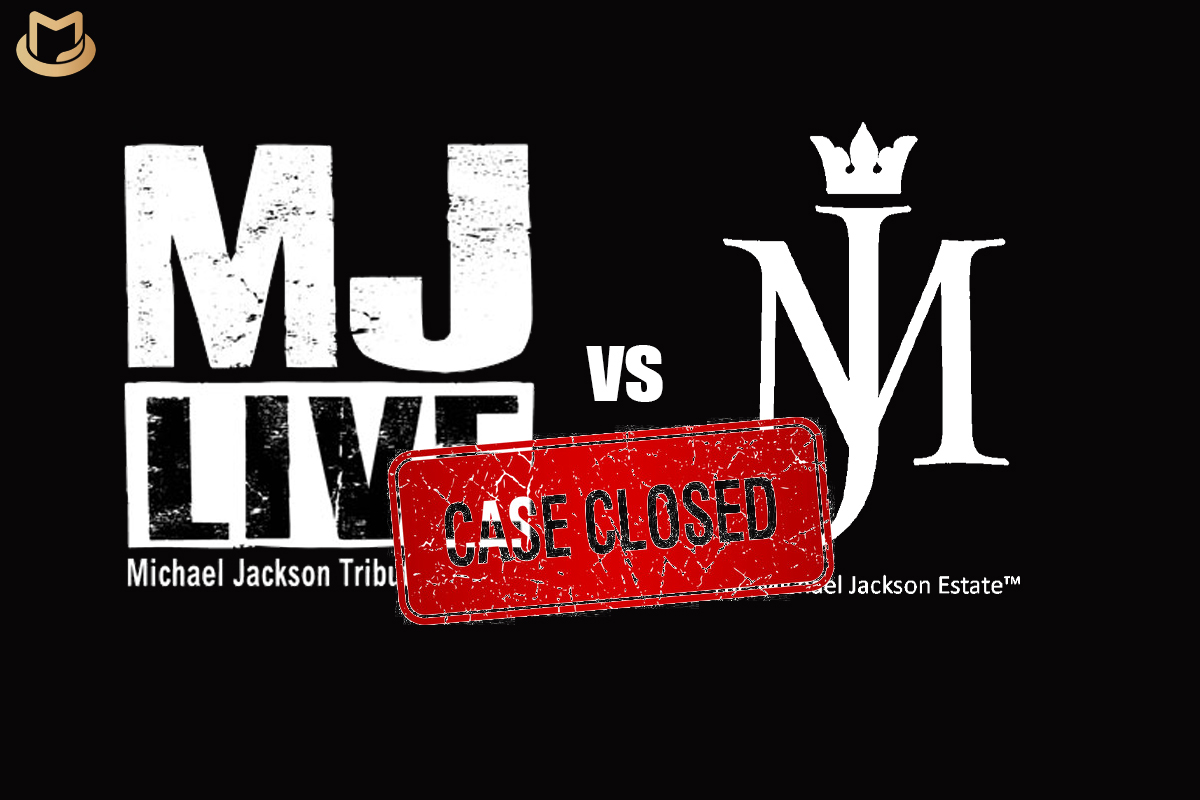
After more than two years of legal tension, the dispute between the Michael Jackson Estate and the tribute show MJ Live has come to a quiet and somewhat mysterious end and with the buzz surrounding the biopic release, this is not making headlines!
On March 27, 2026, both parties agreed to voluntarily dismiss their case in the U.S. District Court of Nevada. No verdict was reached, no winner declared and importantly, no details of any potential settlement were made public.
For fans who have followed the story since it first surfaced, the conclusion feels less like a dramatic finale and more like a door closing softly on a complex and highly technical legal battle.
The origins of the dispute go back several years, but it escalated significantly in 2024 when the Estate, through its licensing arm Triumph International, began actively challenging MJ Live. Cease-and-desist letters were sent not only to the show’s producers, MJL 12 LLC, but also to multiple venues across the United States. As a result, a number of scheduled performances outside Nevada were cancelled before they could even take place.
At the heart of the conflict was a familiar and sensitive issue: control over Michael Jackson’s name, image, and legacy.
The Estate argued that MJ Live was operating too close to protected territory, using the “MJ” name, visual elements associated with Michael Jackson, and promotional materials that could potentially confuse audiences or infringe on established rights. They also raised concerns tied to trademark law and the Michael Jackson’s right of publicity.
MJL 12 LLC, however, did not back down. Instead, the company took the matter to court, presenting a very different narrative. According to their filings, MJ Live had been created as early as 2012 and had built its identity independently over more than a decade. They argued that their branding was original, their use of the “MJ” name legitimate, and that they had the right to stage a tribute performance celebrating Michael Jackson’s work.
What followed was a dense legal confrontation involving multiple claims, ranging from trademark disputes and copyright arguments to questions about unfair competition and publicity rights.
An early court ruling in 2025 offered a glimpse into how complicated the case had become. The judge dismissed some of MJ Live’s claims, including a copyright argument related to logo similarities, noting that the design in question was entitled only to limited protection. At the same time, other aspects of the lawsuit were allowed to proceed, particularly those tied to trademark use and the question of who had priority over the “MJ” branding in a live entertainment context.
In other words, the case was far from settled and appeared to be heading toward a deeper and potentially precedent-setting confrontation.
That makes the sudden decision to dismiss the case all the more intriguing.
By choosing to end the litigation voluntarily, both sides effectively avoided a trial that could have produced a definitive ruling on the boundaries between tribute acts and estate-controlled intellectual property. Such a ruling might have had far-reaching consequences, not only for MJ Live, but for similar productions around the world.
Instead, the resolution remains private.
Whether the agreement included financial compensation, new licensing terms, or behind-the-scenes compromises is unknown. Neither side has publicly commented on the specifics, leaving observers to speculate about what was negotiated.
What can be said is that the case highlights, once again, how carefully the Michael Jackson Estate manages the artist’s legacy. Even decades after his passing, the use of his name and image remains tightly controlled, especially in commercial settings.
For fans, the outcome likely means that MJ Live will continue to exist in some form, although it may be operating under conditions that are no longer visible to the public.
At the same time, the broader questions raised by the case remain unresolved. Where is the line between tribute and infringement? How much creative freedom should performers have when honoring an iconic artist? And who ultimately gets to decide?
In this instance, those questions won’t be answered in court.
Instead, they linger, much like the case itself, quietly concluded, but not entirely settled.