


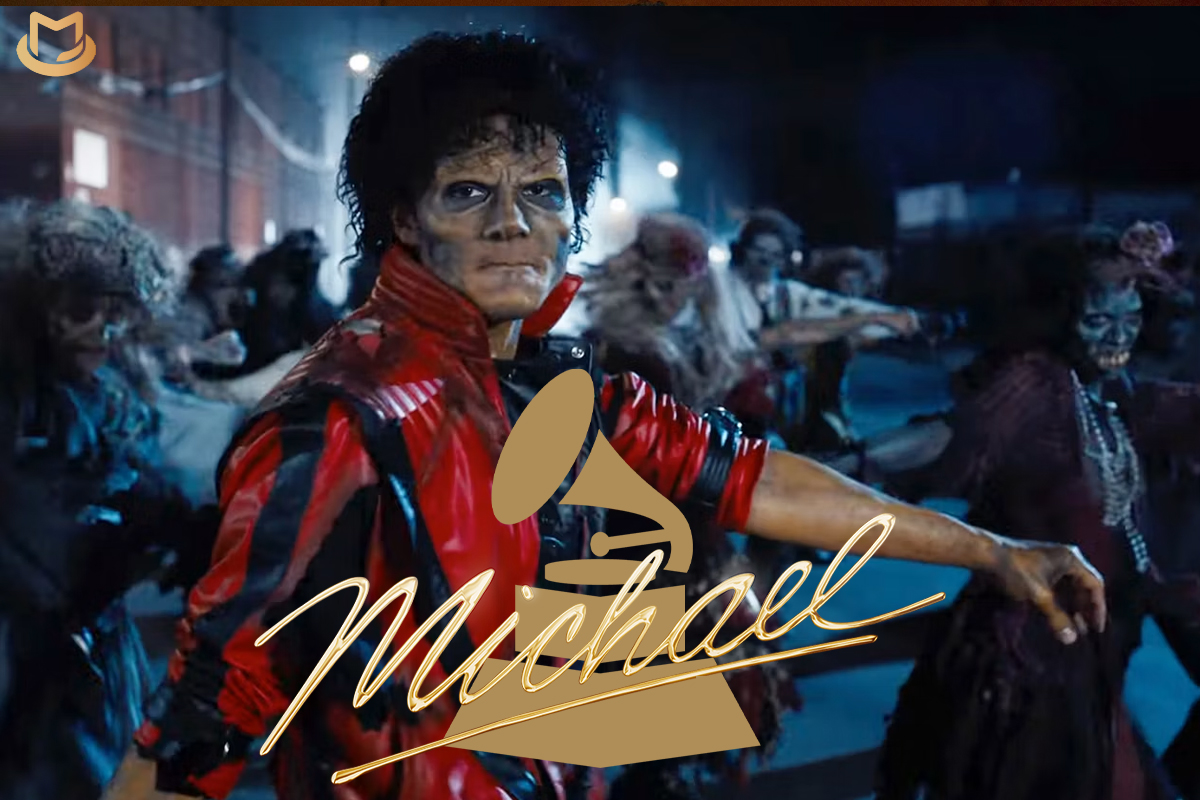
Michael Jackson’s biopic Michael has shattered records around the world, becoming the highest-grossing biographical film of all time with more than $1 billion at the global box office. Naturally, many fans expected its soundtrack to be a favourite at next year’s Grammy Awards.
There’s just one problem: it isn’t even eligible.
Despite being one of the biggest-selling and most-streamed soundtrack releases of the year, Michael: Songs From The Motion Picture cannot compete for the Best Compilation Soundtrack for Visual Media Grammy due to a technicality buried in the Recording Academy’s rulebook.
It’s Not About Quality!
Michael Jackson himself collected 13 Grammy Awards during his legendary career, but his latest soundtrack release won’t be adding another trophy to the cabinet.
The reason has nothing to do with reviews, popularity or commercial success. Instead, it’s all about eligibility.
Under the Recording Academy’s current rules, soundtrack albums based on musical biopics or documentaries must contain at least 50% newly recorded or remixed music to qualify for the category.
The official Michael soundtrack doesn’t.
Although Jaafar Jackson delivers an acclaimed performance as his uncle in the film, the official soundtrack released on streaming platforms features Michael Jackson’s original recordings rather than new performances.
A Rule That Has Caught Others Before.
Ironically, Michael isn’t the first blockbuster to fall victim to the rule.
Before Michael broke its records, Bohemian Rhapsody was the world’s biggest musical biopic. Despite its enormous success, its soundtrack was also deemed ineligible because it relied almost entirely on Freddie Mercury’s original vocals. Rami Malek performed some vocals during filming, but those performances weren’t featured on the soundtrack album.
The Grammy rule itself is relatively recent. Before 2018, soundtrack compilations using original recordings could still compete, allowing films like Ray, Miles Ahead, Get On Up and Straight Outta Compton to receive nominations with several even taking home the award.
Following those wins, the Recording Academy revised its guidelines, requiring soundtracks to feature a majority of newly recorded material.
Covers Beat Originals.
Many recent musical biopics have deliberately structured their soundtrack albums around newly recorded performances to meet the eligibility requirements.
Films such as Rocketman, Respect, Walk the Line, The United States vs. Billie Holiday and most recently A Complete Unknown all featured their lead actors performing the songs themselves. Others, like Elvis, mixed Elvis Presley’s original recordings with remixes and newly created tracks inspired by the film.
Had the producers released a soundtrack featuring Jaafar Jackson’s voice or remixes, Michael would almost certainly have been one of the strongest contenders for the award.
In truth, Grammy eligibility doesn’t change what Michael has already achieved.
The soundtrack has introduced Michael Jackson’s catalogue to a new generation while helping fuel a historic theatrical run that saw the film become the highest-grossing biopic ever made, overtaking Bohemian Rhapsody and even surpassing Oppenheimer in worldwide earnings.
Sometimes, breaking box-office records is worth far more than qualifying for another trophy. After all, records are forever, even if Grammy paperwork says otherwise.


That’s nonsense. It wasn’t this boring soundtrack that made Michael’s music catalog accessible to the new generation, but the film itself. The soundtrack itself had absolutely no quality, carelessly thrown together without any new content.