

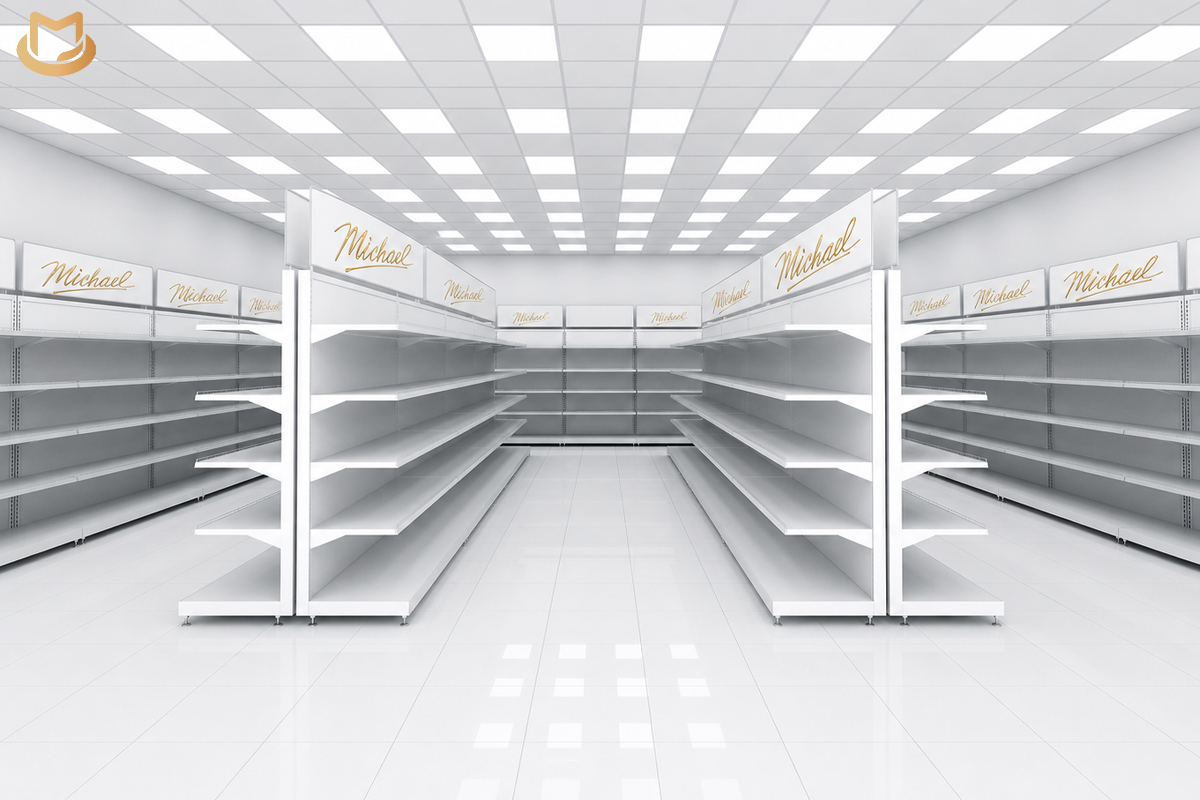
Note from the Editor: Before you read the article below, I want to make it clear that I am not referring to any cinema merchandise created by cinema chains or companies that have been licensing Michael Jackson content from the Estate through IMG prior to the release of the film. This article focuses solely on brand collaborations with the studio, Lionsgate.
When major films hit cinemas today, they rarely arrive alone. They land as full cultural ecosystems, screenings, soundtracks, fast-food tie-ins, fashion capsules, toys, collectibles, pop-ups, and social media drops all working in sync. It’s no longer just about the movie; it’s about turning the release into an event that lives across every retail and digital space.
We’ve seen this executed at full scale with recent blockbuster releases. The Barbie campaign is the clearest example: Mattel and Warner Bros didn’t just release a film, they engineered a global retail takeover. Pink everything, limited-edition dolls, branded collaborations with fashion houses, cosmetics, and even homeware. It became unavoidable in the best possible way.
Similarly, Wicked built out an expansive merchandising wave ahead of release, with dolls, costumes, themed collectibles, and licensed apparel helping the film extend its reach far beyond cinema audiences. Even legacy fashion-driven titles like The Devil Wears Prada 2 have shown how style-heavy films naturally translate into brand partnerships and lifestyle products.
This is now standard playbook: studios collaborate early with toy companies, apparel brands, beverage companies, and collectors’ labels to ensure that by the time a film opens, shelves are already filling up with tie-in products.
And yet with Michael, the highly anticipated biopic about Michael Jackson, that wave never really arrived.
A strangely quiet merchandising rollout
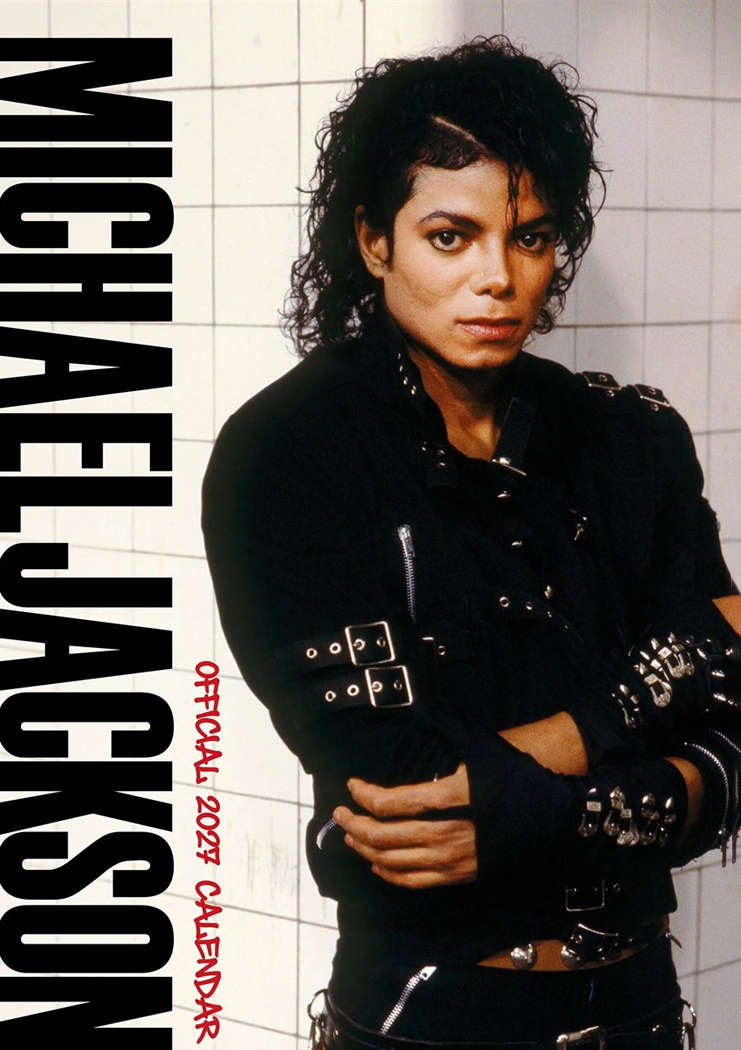
Lionsgate did make some early moves, releasing limited apparel through its social channels. But in today’s ecosystem, social-first drops are not enough. They are fragmented, algorithm-dependent, and far removed from the kind of global retail visibility that drives cultural penetration.
A film of this scale should have had a unified merchandising strategy:
- Dedicated global online store
- Retail partnerships (department stores, pop-ups, theme activations)
- Collectibles and toy lines timed to trailer and release cycles
- Fashion collaborations tied to the film’s visual identity
Instead, the rollout felt muted and inconsistent, especially compared to modern blockbuster standards.
So why did brands not line up?
There are a few possible explanations and none are definitive.
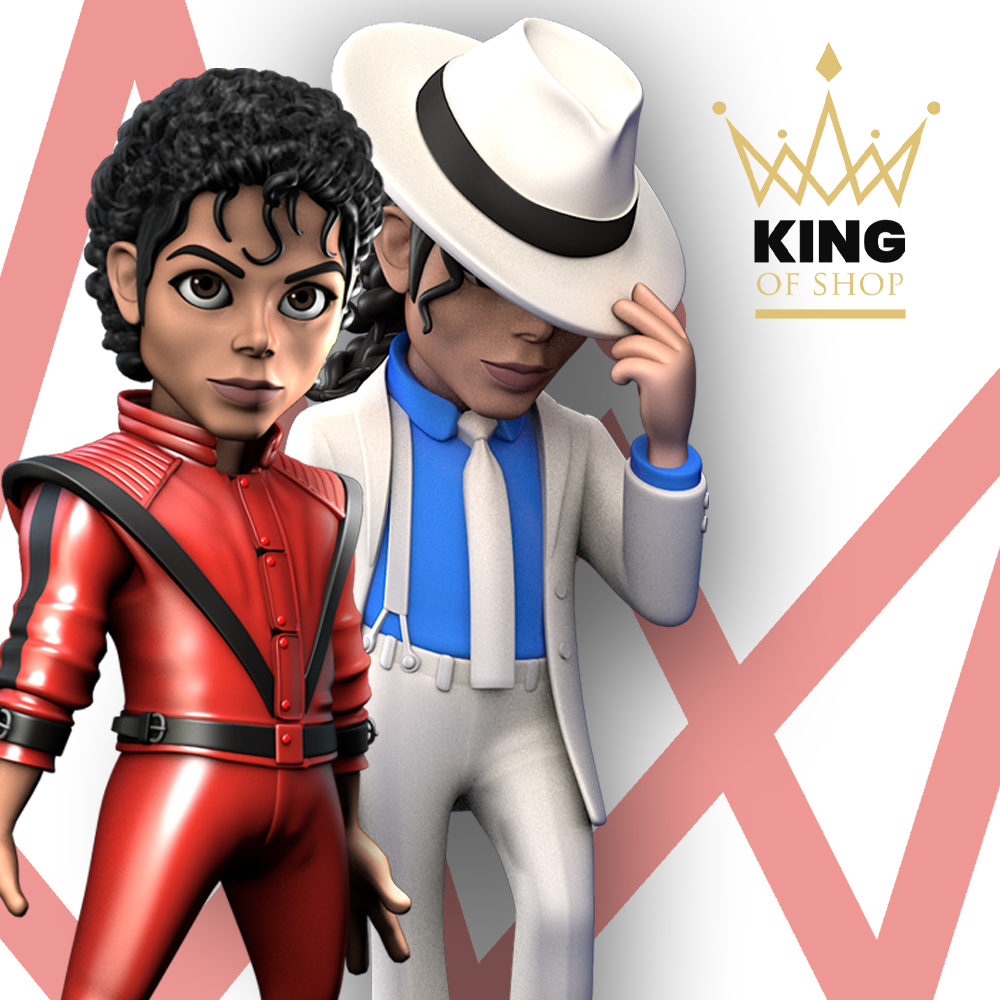
One theory circulating in fan and industry discussion is that licensing terms associated with the estate representation may have been too restrictive or financially demanding for broad collaboration. The estate of Michael Jackson, managed through its commercial structures, is known for being highly protective of the brand. But even with premium licensing expectations (75% on profit), that has not historically stopped collaborations. Brands like Funko, Supreme, MINIX, and others have previously engaged with Michael Jackson-related licensing in different forms through IMG.
So while commercial structure may play a role, it likely isn’t the full story.
Another possibility is strategic control. The estate and studio may have chosen to tightly manage the film’s positioning, keeping external branding minimal to avoid dilution or confusion around the narrative. But in doing so, they may have underestimated how modern film marketing thrives on saturation, not restraint.
Another point is that, in advance of the release and noticing the lack of brand partnerships, the Estate could have created its own product range. It is not as if it does not have the means or resources to do so. Why did the Estate not take this route? Were they not confident in the film themselves? Or were they too busy being involved in the production process and selecting their outfits for the premieres? Only they will have the answer.
The media climate factor
Another angle worth considering is perception timing.
In the run-up to major releases, media narratives can shape industry confidence. When early coverage leans heavily critical or speculative, some commercial partners may hesitate to commit large-scale inventory production cycles months in advance.
With Michael, there was certainly intense media attention and debate surrounding the project long before release. Whether fair or not, that kind of environment can influence how risk-averse brands behave. Merchandise production requires long lead times, and companies tend to avoid uncertainty when forecasts are unclear.
It is widely believed that there was a general consensus among parts of the media and critics that positioned the film negatively well before its release. This became apparent as soon as the movie came out, with a surge of critical coverage, Variety alone reportedly published over 18 negative articles about the film within a single week. Unbelievable and, some would say, excessive.
However, this narrative did not account for the public’s reaction and enduring love for Michael Jackson. It is therefore possible that major industry players, who would typically release merchandise tied to such a film, picked up on the early media tone and chose not to get involved.
The missed creative goldmine
Perhaps the most striking missed opportunity is not just financial, it’s creative.
Can you imagine if we had seen Mattel release Michael dolls like they did for Wicked, or plush toys featuring Louie the Llama, Bubbles the chimp, Muscles the boa constrictor, or Jabbar the giraffe, as seen in the film? Or even collections of sunglasses and iconic accessories worn by Michael Jackson, like the signature socks and glove? We can only dream.
These are not abstract ideas, they are proven revenue and engagement drivers in modern cinema merchandising.
Instead, the opportunity remains largely untouched.
Looking forward: will there be a second wave?
With discussions already circulating about a potential second film, the real question now is whether brands will finally step in and deliver the kind of merchandise rollout that the first release never had, especially after its massive success. Or that the momentum of the first movie will never be re-activated?
Sebastian for MJVibe