

During the height of his superstardom in the 1980s and early ’90s, Michael Jackson dominated the charts, redefined music videos, and set global standards for live performance. But despite his creative genius and cultural impact, success on the silver screen always eluded him. While The Wiz and Moonwalker offered fans a glimpse of Michael’s cinematic aspirations, neither film elevated him to the movie-star status enjoyed by peers like Prince and Madonna. However, one ambitious project came remarkably close to doing just that—MidKnight, a superhero fantasy that was meant to be Michael’s answer to Batman.
In 1989, following the commercial disappointment of Bad compared to the record-shattering success of Thriller, Michael found himself at odds with his label, Epic Records. That same year, Sony acquired both Epic and Columbia Pictures. Seeing an opportunity, newly appointed Sony Pictures execs Jon Peters and Peter Guber—fresh off the success of Tim Burton’s Batman—envisioned a way to keep Michael engaged with the label by launching his film career through a big-budget cinematic spectacle. The result was MidKnight, a fantastical superhero film tailor-made for the King of Pop.
The concept was bold and uniquely Michael. He would portray a shy, soft-spoken man who, at the stroke of midnight, transformed into a singing, dancing hero. The film was envisioned as an action-adventure musical hybrid, infused with Michael’s signature sound and electrifying choreography. Caroline Thompson, known for Edward Scissorhands, was brought on to write the script alongside Beetlejuice co-writer Larry Wilson. Thompson admitted to having initial doubts about Michael’s acting range and proposed that the character wear a knight’s helmet—an idea grounded both in medieval imagery and the desire to help audiences take Michael seriously in a dramatic role.
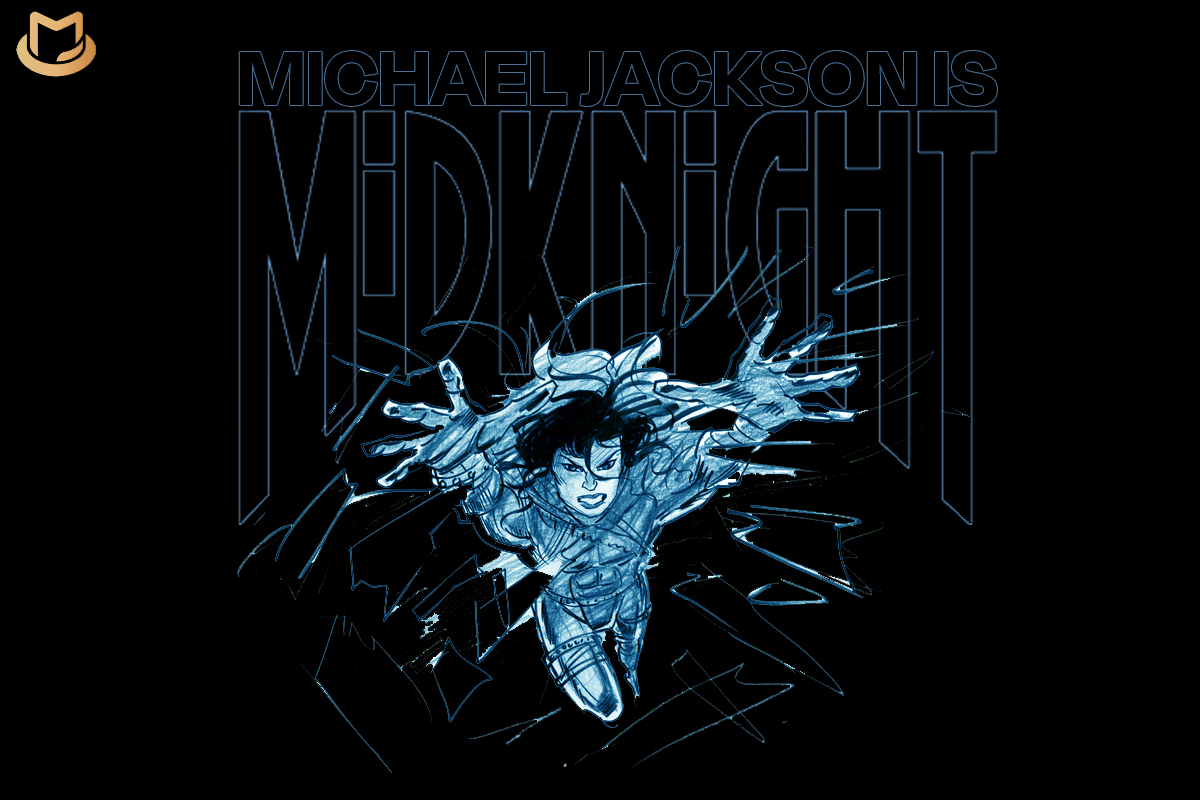
Behind the camera, Batman production designer Anton Furst was tapped to make his directorial debut. Furst’s dark, stylized vision, which helped define Burton’s Gotham City, seemed a perfect match for Michael’s own flair for the theatrical and surreal. Concept art was commissioned from renowned fantasy illustrator Greg Hildebrandt, and Sony’s top visual effects teams began exploring how to create features like laser eyes using state-of-the-art technology. Meanwhile, Michael was in the middle of recording what would become his Dangerous album, dividing his time between studio sessions and early development meetings.

Despite promising progress, MidKnight was derailed by a series of personal and professional crises. Furst reportedly struggled with the script and was plagued by insecurity over directing such a high-profile project. Tragically, his battles with addiction culminated in his suicide in late 1991. Around the same time, Peters and Guber were ousted from Sony after falling out with executives, leaving the project without its key backers. As if that weren’t enough, the early ’90s brought further turmoil: in 1993, Michael became the target of shocking allegations that would dominate headlines and cast a long shadow over his career. Any remaining momentum for MidKnight was lost, and the film quietly slipped into obscurity.
For years, MidKnight remained little more than a whispered “what if” among fans. It wasn’t until after Michael’s passing in 2009 that fragments of its history began resurfacing—script drafts, concept art, and recollections from those involved in its brief development. In hindsight, the project represents a rare glimpse at what could have been: a full-length feature combining Michael’s creative vision with the blockbuster spectacle of early-’90s Hollywood. Had it moved forward with a more experienced director or avoided the complications that plagued its production, MidKnight might have cemented Michael’s legacy not just as the King of Pop, but as a true cinematic icon.
Though Michael never found enduring success in film, his influence on the visual language of pop culture remains unmatched. His groundbreaking short films—Thriller, Smooth Criminal, Ghosts, and more—remain proof that when it came to combining music, storytelling, and spectacle, no one did it better. And while MidKnight was never brought to life, its story adds yet another fascinating chapter to the incredible legacy of Michael Jackson.