

The estate of legendary producer and composer Quincy Jones has reached an agreement to sell a significant portion of his music catalog to HarbourView Equity Partners. The deal includes Jones’ producer interests in some of the most iconic recordings in pop music history, particularly the albums he produced for Michael Jackson.
For Michael Jackson fans, the news may initially raise questions about what this means for the music and for Michael Jackson’s own estate. While the transaction involves rights connected to some of Michael Jackson’s most famous recordings, the deal does not transfer ownership of Michael’s music itself. Instead, it concerns Quincy Jones’ share of royalties and certain related rights tied to the recordings he produced.
The Quincy Jones–Michael Jackson Partnership
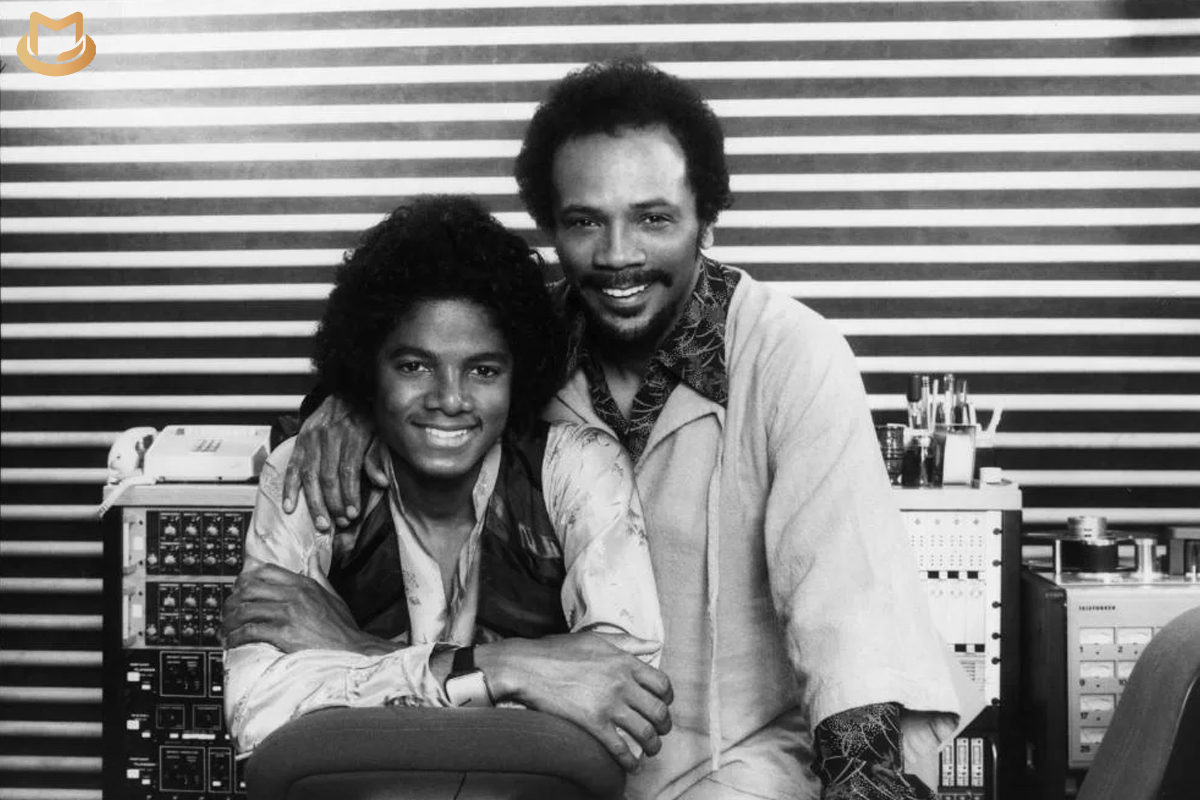
Quincy Jones and Michael Jackson formed one of the most successful creative partnerships in modern music history. Jones produced three of Michael Jackson’s most influential albums: Off the Wall (1979), Thriller (1982), and Bad (1987). Together, these records reshaped popular music and helped establish Jackson as a global superstar.
Thriller remains the best-selling album of all time, while Off the Wall and Bad also achieved massive worldwide sales and cultural impact. The partnership brought together Jones’ sophisticated production style with Michael’s songwriting, vocal performances, and artistic vision.
Because Jones served as producer on these albums, he held contractual royalty interests connected to the recordings. These interests are part of what is now being sold by his estate.
What the Deal Includes
According to reports, the agreement with HarbourView Equity Partners covers several components of Jones’ music assets, including:
-
Producer royalty interests tied to the Michael Jackson albums he produced
-
Publishing rights and compositions written or co-written by Jones
-
Instrumental works such as “Soul Bossa Nova”
-
Television music, including the famous theme for the sitcom Sanford and Son
Financial terms of the transaction have not been publicly disclosed, though deals involving legendary catalogs like Jones’ can be valued in the hundreds of millions of dollars.
What This Means for Michael Jackson’s Estate
Importantly, the sale does not change the ownership structure of Michael Jackson’s recordings or songwriting catalog.
Michael Jackson’s masters and core catalog remain under the control of the Michael Jackson Estate and its long-standing partnerships with major music companies. The Jones catalog sale simply transfers the producer’s royalty share, previously held by Jones and now by his estate, to a new financial owner.
In practical terms, this means that HarbourView Equity Partners will receive the royalty payments that were previously paid to Quincy Jones’ estate when the albums are streamed, licensed, or otherwise used commercially.
The Michael Jackson Estate’s rights and revenue streams remain unchanged.
Why Music Catalogs Are Being Sold
Jones’ catalog sale reflects a broader trend in the music industry over the past decade. Major artists, songwriters, and estates have increasingly sold portions of their catalogs to investment firms and music rights funds.
These firms view classic music catalogs as stable long-term assets. Songs that have already proven their cultural and commercial value can generate consistent income through:
-
Streaming platforms
-
Film and television placements
-
Commercial advertising
-
Sampling and cover recordings
Albums such as Thriller continue to be streamed hundreds of millions of times each year, making producer royalties tied to them especially valuable.
What It Means for Fans
For fans of Michael Jackson, the most important takeaway is that nothing about the music itself is changing. The albums, songs, and recordings remain exactly as they were.
Ownership of Quincy Jones’ royalty interests moving to a financial company does not affect the availability of Michael Jackson’s music, the artistic legacy of the recordings, or the role of the Michael Jackson Estate in managing his catalog (or half of it as they sold half to Sony Music).
Fans will continue to experience the same legendary works that defined Michael’s career.
The sale of Jones’ catalog represents a financial transition rather than a creative one. The music itself and the legacy created by the partnership between producer and artist, remains firmly intact.
For Michael Jackson fans, the enduring impact of these recordings ensures that their place in music history remains secure, regardless of who holds the financial rights behind the scenes.